

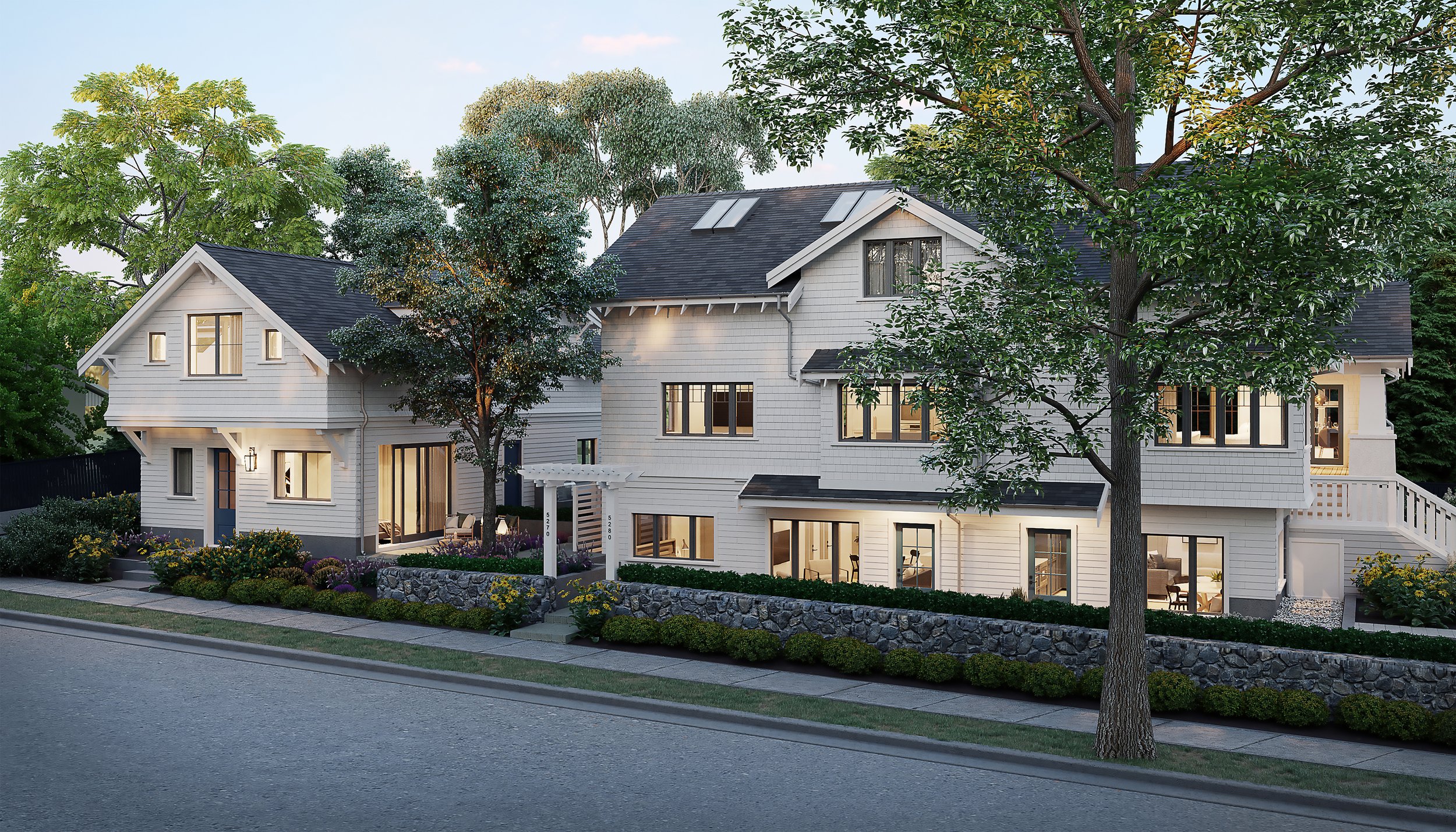
What is Missing Middle Housing?
Housing That Looks Ahead
What is Missing Middle Housing? Simply put, its housing forms beyond single-family homes. As housing prices increase and development continues to focus on high-rise or urban sprawl options, the need for missing middle housing types continue to grow.
There are many types multi-unit housing, such as multiplexes, laneway suites, garden suites and garage conversions as well as types of cluster housing such as townhouses, garden courts and small apartment buildings.

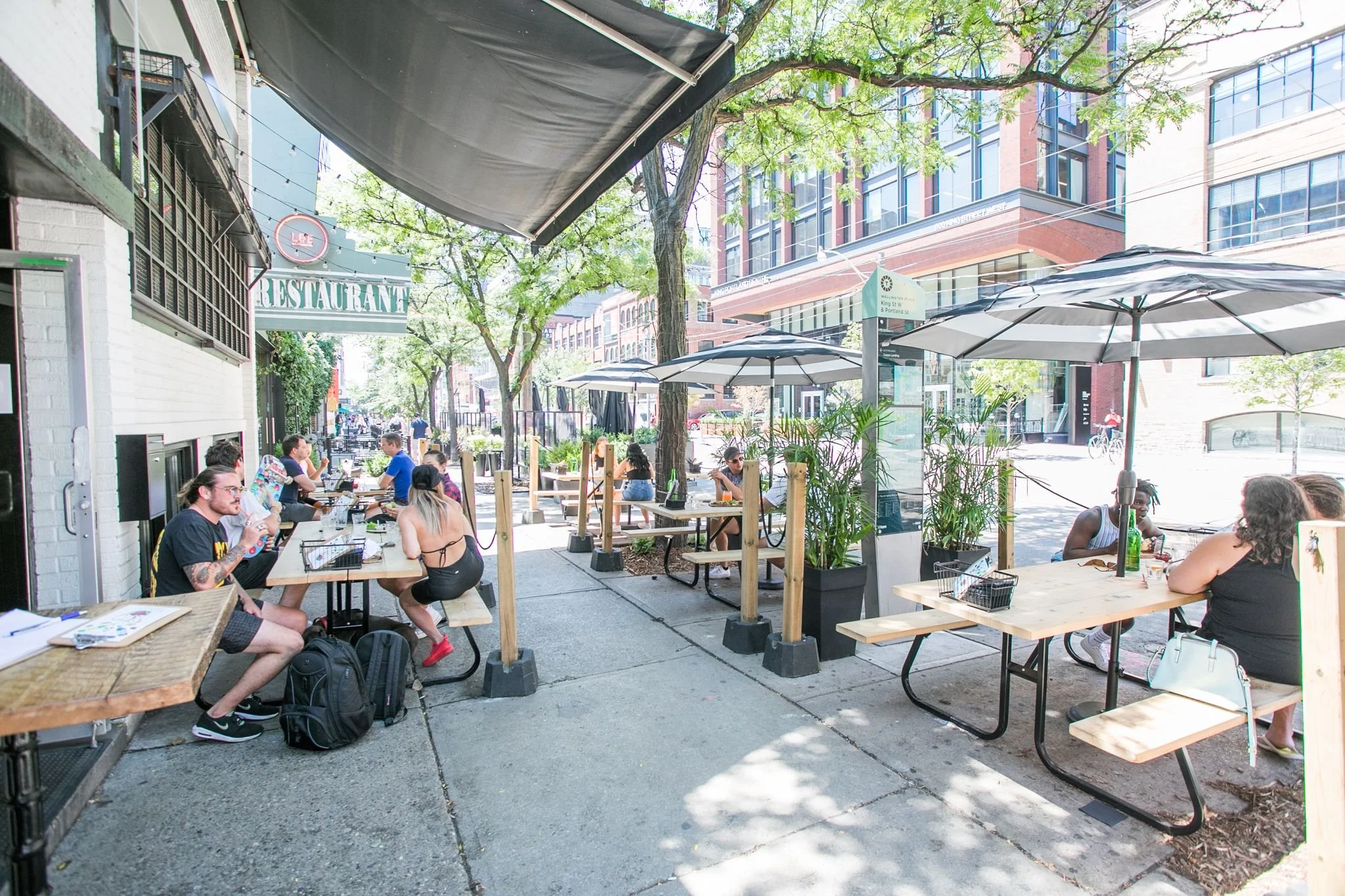
Prior to World War II and the expansion of suburbia, cities developed organically and included these missing middle housing types. Not isolated spatially, but rather integrated together on streets, these missing middle housing types successfully created vibrant neighbourhoods.

Part of the reason these types of cluster housing work is the way buildings relate to one another in terms of massing, materials and privacy. In addition, foliage softens the overall massing and creates a more serene streetscape.

Single-family homes in our most popular neighbourhoods aren’t discounted if they are on a street with multi-unit housing. For example, in Rosedale, High Park or The Beach, all housing command top dollar, including all missing middle housing types.
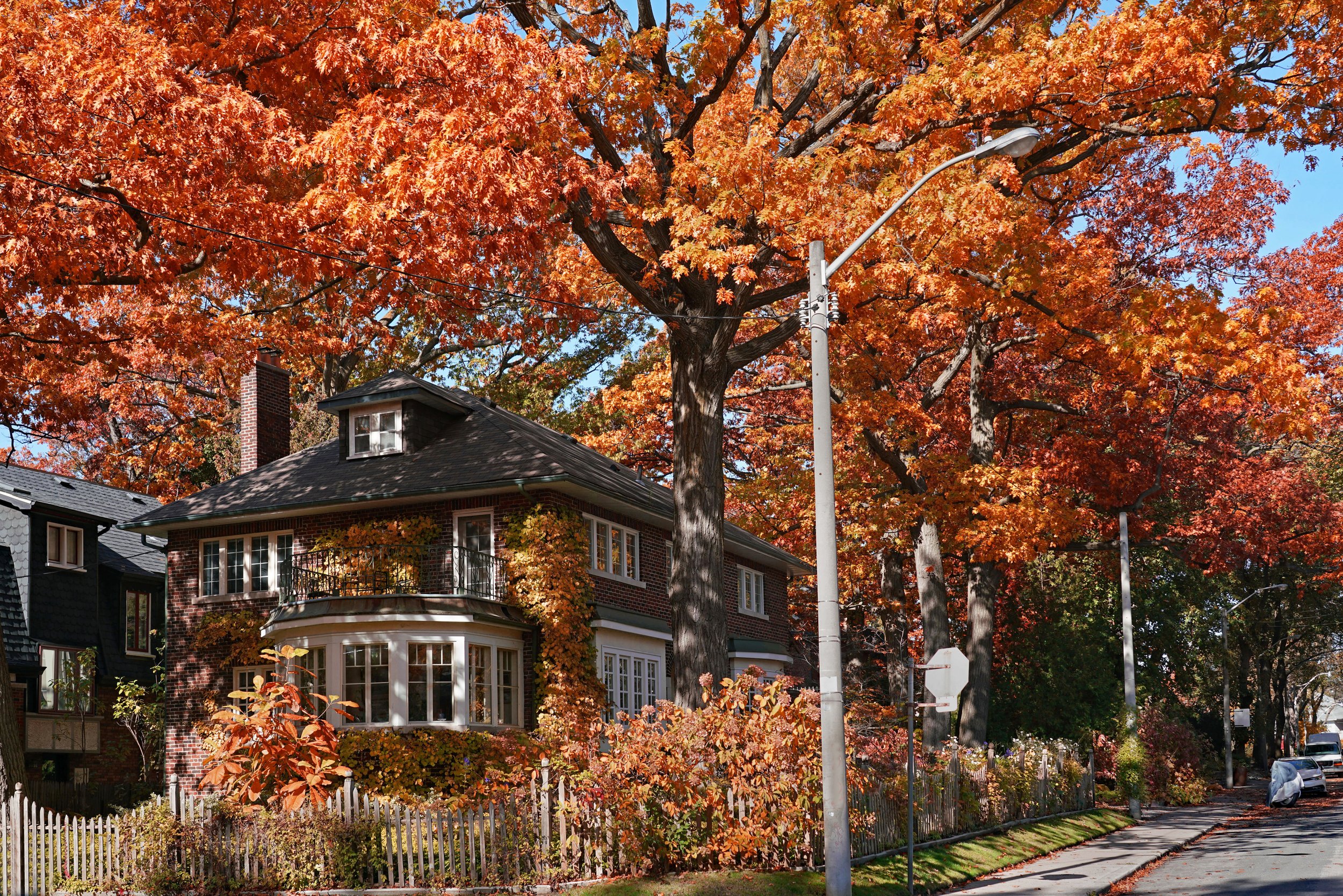
Toronto’s famed urbanist, Jane Jacobs, understood the value of vibrant neighbourhoods and the need for all missing middle housing types. Offering viable multi-unit housing options for singles, young families and retirees helps to create lifelong residents and a strong, connected community. The City of Toronto realizes this need and is committed to ensuring it is easier to bring missing middle housing types to market.

The Missing Middle ensures a vibrant city.
That is adaptable, inclusive and affordable for all.
Blogs
1. Garages Conversions - More value, more light and more curb appeal
An easy way to expand housing, provide multi-generational options or rental income is to consider garage conversions. When a laneway or garden suite isn’t possible, this is a great alternative.... see more
Videos
Homes that fit real life, real budgets, and real communities.
Our cities need options between single-family houses and flexible, family-friendly spaces that make neighbourhoods work for everyone.